
23 Essential Things to Know Before Going to Japan

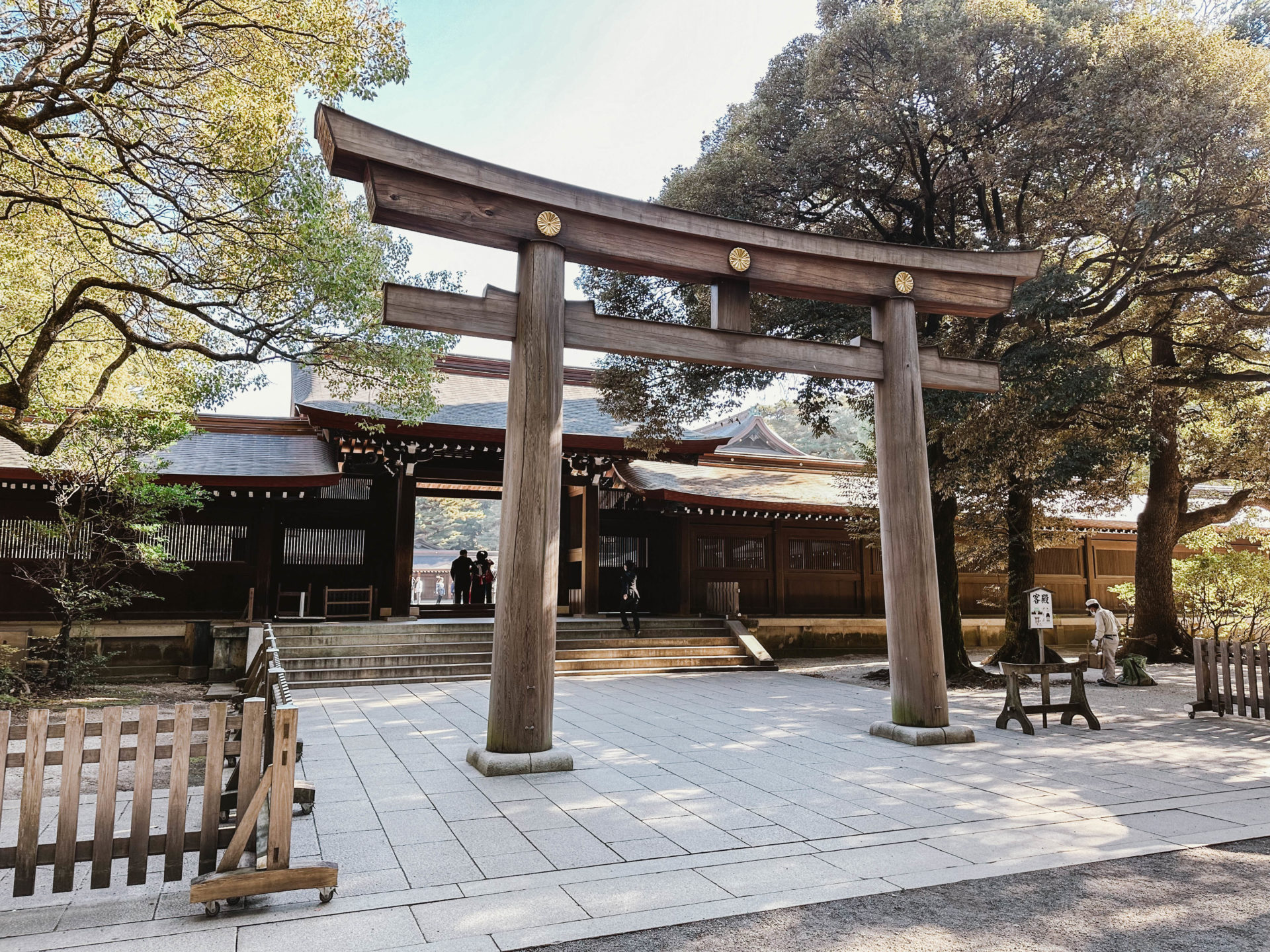
I just got back from two incredible weeks in Japan and I’m already dreaming about my return.
If you’re planning your first trip (or are deep in itinerary mode), I’m equal parts excited for you… and jealous. Japan is magical, and this post is packed with all the things to know before going to Japan. These are definitely the tips I wish someone had told me before my own trip.
You’ll get tips on navigating transportation, avoiding common first-timer mistakes, and understanding cultural norms so you can feel confident, prepared, and enjoy every moment of your trip.
Getting Around Japan
Getting around Japan might seem intimidating at first, but it’s actually super efficient once you know a few key things. These tips will help you navigate transportation like a local from day one.
Japan’s Public Transportation System Is Incredibly Efficient
This is the best way to get around Japan—both for traveling between cities and navigating within them.
You will fall in love with using the metro and the bus system in Japan because it’s so unbelievably convenient. If you aren’t used to using a metro, don’t worry! It may seem overwhelming at first but you’ll be a pro in no time.
We really got the hang of using the public transportation during our time exploring Tokyo, and then when we moved on to Kyoto and Osaka, we felt like pros.
Everything runs on time and there are frequent trains so don’t worry if you miss a train.
How to Use a Digital Suica Card
Suica is one of the metro cards that is used in Japan. If you have an iPhone, a digital Suica card is going to be a game changer and your best option for using the public transportation system as there is currently a shortage in physical cards.
We used it across Tokyo, Kyoto, and Osaka.
To get the card follow these steps:
- Go to the Wallet app on your iPhone
- Click on “Transit Card”
- Search for “Suica”
- Follow the prompts to add it to your wallet
It’s important to know that if you are using a foreign credit card, you have to use a MasterCard or AmEx in order to add money to the virtual card. Visa cards will not work.
You can put any amount you want on the card. Google Maps will tell you how much the cost of a journey will be so you can easily put the exact amount on your card if you want.
We started off with one of the suggested amounts because we knew that we would be using the trains/buses almost exclusively throughout the trip. Then, the last couple of days, we just topped off the card with the exact amount we needed prior to each trip. That way we finished out our trip with a zero balance.
I’d recommend getting your virtual card set up before your trip so that you’re ready to go once you land.
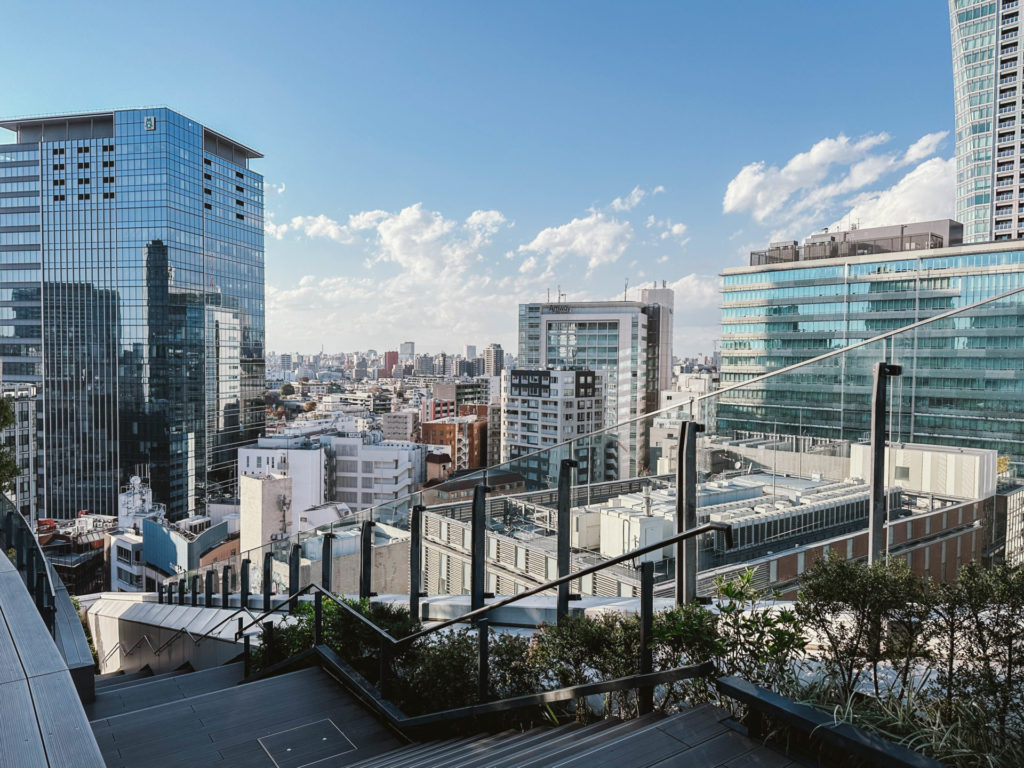
Why the JR Pass Might Not Be Worth It Anymore
You will see lots of blog posts recommending getting the JR pass (the Japan rail pass). However, the pass has recently gone up in cost so it may not be worth it to you. Personally, we skipped it because it didn’t mathematically make sense for us.
If you are traveling to a lot of cities in a short amount of time it may work for you but the best way to know for sure is to use a pass calculator.
If you do decide to get the pass, just be sure you buy it in advance as a mail exchange order will be shipped to your home country that you will then use to obtain your actual pass in Japan.
Use Google Maps to Navigate Public Transit
Be sure you have internet access so that you are able to use Google maps to help you get around. It’s very accurate and easy to follow and you can use it for both the bus and the subway system.
Just note that the walking time that it gives you between transferring from one train line to another may sometimes be optimistic. You may take a bit longer as some stations are really large and it can take a few minutes to get your bearings and figure out which direction you need to walk in.
Just remember that there are plenty of trains so if you miss one, you can just grab the next one.
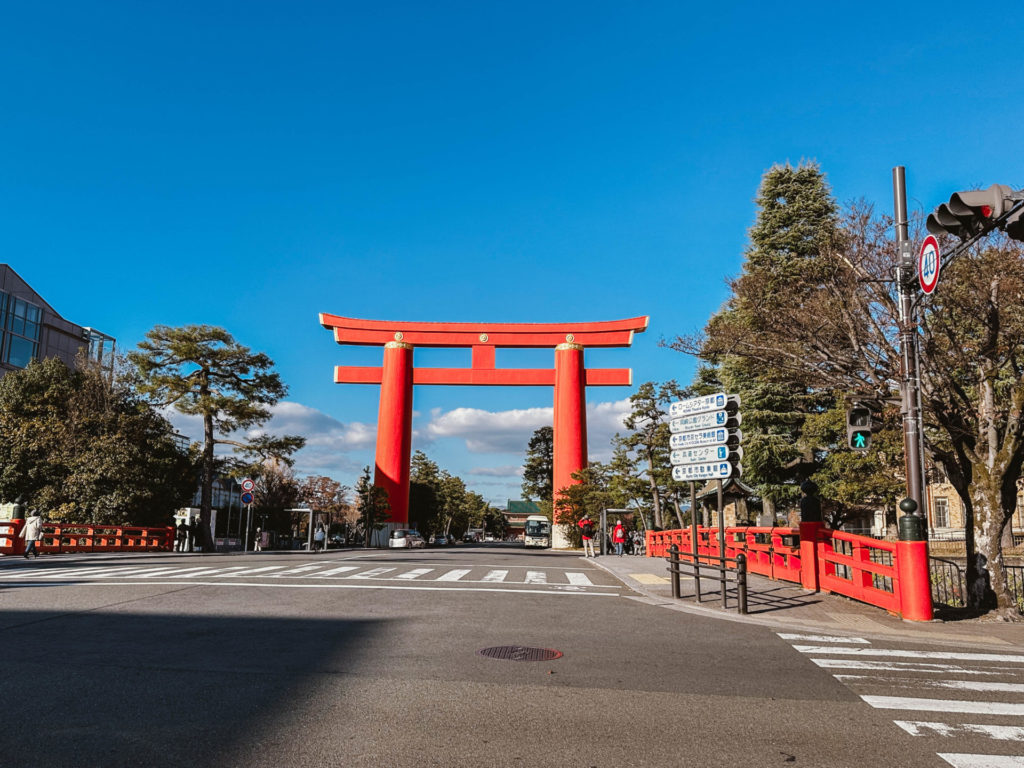
How to Ride the Shinkansen (Bullet Train)
The first time we rode the Shinkansen was when we went to Kyoto (and if you’re planning on visiting, here’s how I recommend spending two days there).
I won’t lie to you. Sometimes it was confusing to figure out how to get tickets. The easiest way to avoid any confusion is to go to the designated ticket counter for the Shinkansen and tell them what train you want and if you want a reserved seat or not. We always went for a reserved seat because it just seemed easier to know where we were sitting.
There are kiosks next to the ticket counters but those required us to insert a physical Suica card which we did not have.
Pro tip: Do as the locals do and take a bento box to enjoy on the train. I recommend stopping by T’s TanTan inside Tokyo Station — grab a bowl of ramen, then pick up a bento to go. It’s one of my favorite plant-based restaurants in Tokyo.
Lost in Transit? Head to the Info Desk
We found that most people running the information desk spoke enough English to answer our questions. They were always extremely helpful and depending on the train, you can buy tickets through them or they’ll point you in the right direction.
The information desk was also a lifesaver when we were trying to get to the Koshu Valley wine region. We assumed we could just walk onto the bus and buy tickets there, but that wasn’t the case. Thankfully, the staff showed us exactly which ticket machine to use, and we were on our way.
When in doubt, just head to one of these counters.
Tokyo Metro Closes Earlier Than You Might Expect
Contrary to what you may think, the metro doesn’t run at all hours of the day.
The Tokyo metro stops running around midnight. Just be sure to plan accordingly if you’re going to be out late.
I also recommend avoiding the last train if at all possible. It’s usually jam packed. I’m talking uncomfortably packed and there are typically some very drunk people on it. I would also avoid trains during rush hour if you can as they are likely to be more packed as well.
Use Uber for Late Nights or When You’re Tired of Transit
There is a local taxi app that you can download but we didn’t bother with that as Uber worked just fine. While I do recommend you use public transportation 90% of the time because it’s just so efficient and cost effective, there will be times when you just want to call a taxi.
Uber makes it quick and easy to call a taxi and you won’t need to pay the taxi driver directly as it’s all handled through the app.
Money, SIM Cards, and Everyday Tech in Japan
Japan is incredibly modern, but a few tech and money quirks can catch first-time travelers off guard. These tips will help you stay connected and avoid any issues.
Stay Connected with an eSIM or Local SIM Card
You could get a local sim card but if you have an unlocked phone, I recommend getting an eSim.
You will 100% need internet access in Japan both to use Google Maps for navigating the transit system and to use Google Translate to help you with the language barrier.
Japan Is Still a Cash-Based Society
Japan is very much a cash-based society and it’s good to have cash on hand.
While most of the restaurants and bars we went to did accept credit cards, most street food / small shops won’t. You’ll also need cash for entrance to temples, some shrines, and other tourist attractions.
Need Cash? 7-Eleven ATMs Are Your Best Friend
Believe it or not, 7/11 is one of the best places to get cash from. Just don’t forget your debit card!
They have an ATM at the front of the store and there’s usually one within a few blocks of you at all times in all of the major cities. If you’re headed to one of the smaller towns or more rural areas, just grab some cash beforehand to be on the safe side.
No Power Converter Needed (If You’re from the US)
Good news, if you’re traveling from the US, you won’t need to worry about bringing a convertor with you as the plugs are the exact same and the voltage is compatible. Keep in mind that the outlets are two prong so if you have a three prong plug that will not work.
There Are No Publish Trash Cans
Yup, you read that right. For the most part, you won’t find trash cans while you’re out and about. I think we saw a trash bin a grand total of twice in our entire trip. If you have trash, you will likely need to hold onto it until you get back to your hotel.
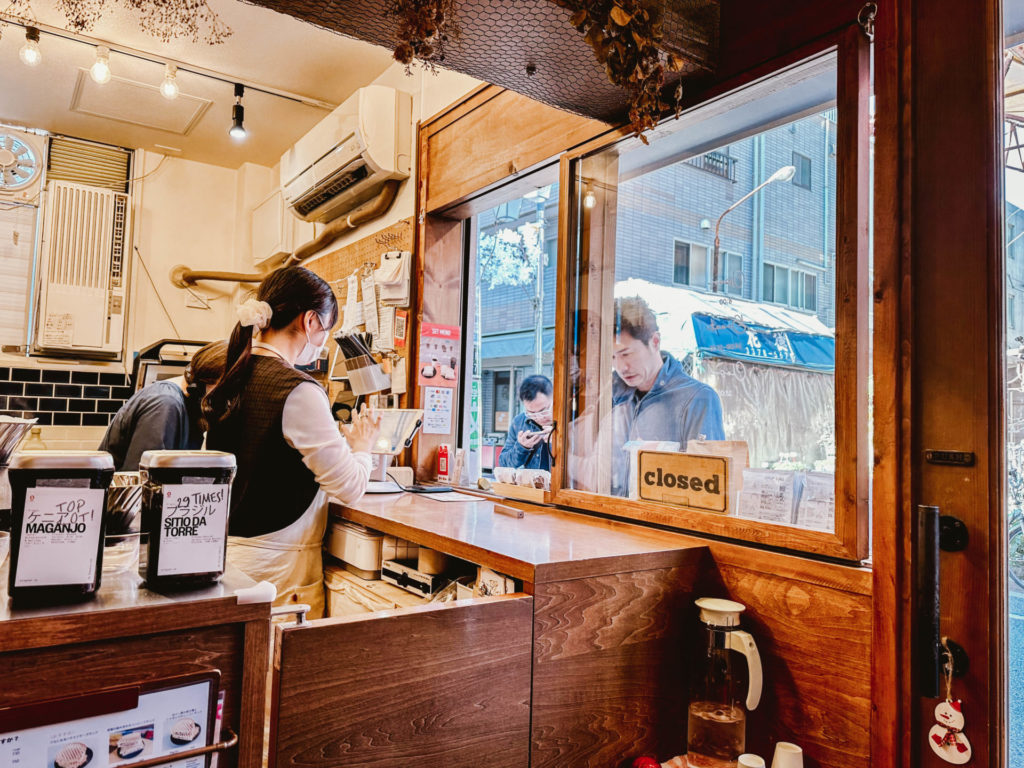
When we saw people ordering coffee and pastries to go, they would typically drink/eat right outside the coffee shop and then hand their trash back to them before heading on their way.
This is really important to know because a lot of the coffee shops in Tokyo (and the rest of Japan) are tiny so you may not find a seat.
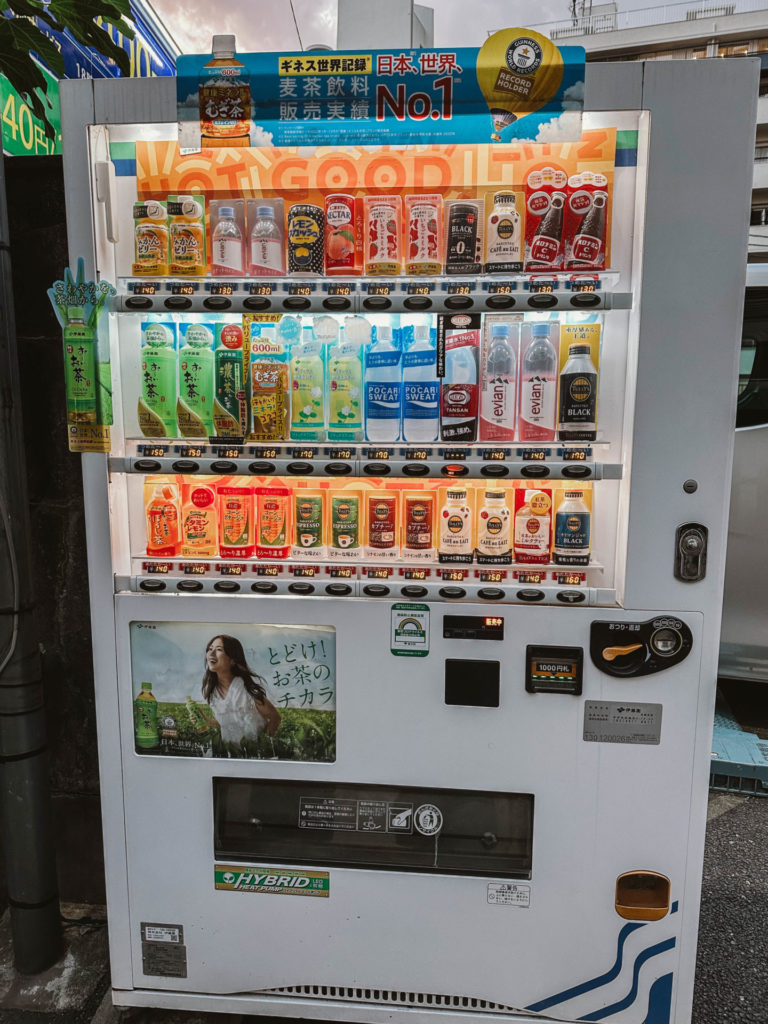
Yes, Japan Really Has Vending Machines on Every Corner
One of the most fascinating things about Japan is the abundance of outdoor vending machines on street corners (sometimes there are even several clustered together).
They are seriously everywhere so if you need something to drink, you’ll likely have options every block or so (just remember, you probably won’t find somewhere to throw the trash away when you’re done).
Weirdly enough, we didn’t see any vending machines with food, which personally seems like a missed opportunity because who wouldn’t love to get some drunk snacks from a vending machine!?
Cultural Norms & Etiquette
Japan has a rich culture with deeply rooted customs that may be very different from what you’re used to. While travelers are given some grace, understanding and respecting these cultural norms will go a long way in helping you feel more confident and ensuring you don’t accidentally come across as rude.
Japan Is One of the Safest Countries
You won’t need to worry about petty crime or really any sort of crime here. It’s completely safe to walk around at all hours of the night.
That being said, of course, be mindful of your surroundings just like anywhere you’d travel to and if your gut is telling you not to walk down a certain street, don’t do it. Personally, I felt incredibly safe here and I would easily go back as a solo woman traveler.
The only thing I will point out is that at the very end of the day you’re more likely to find some drunk Japanese businessmen on public transportation. In my experience they were harmless but I think it’s important to call out.
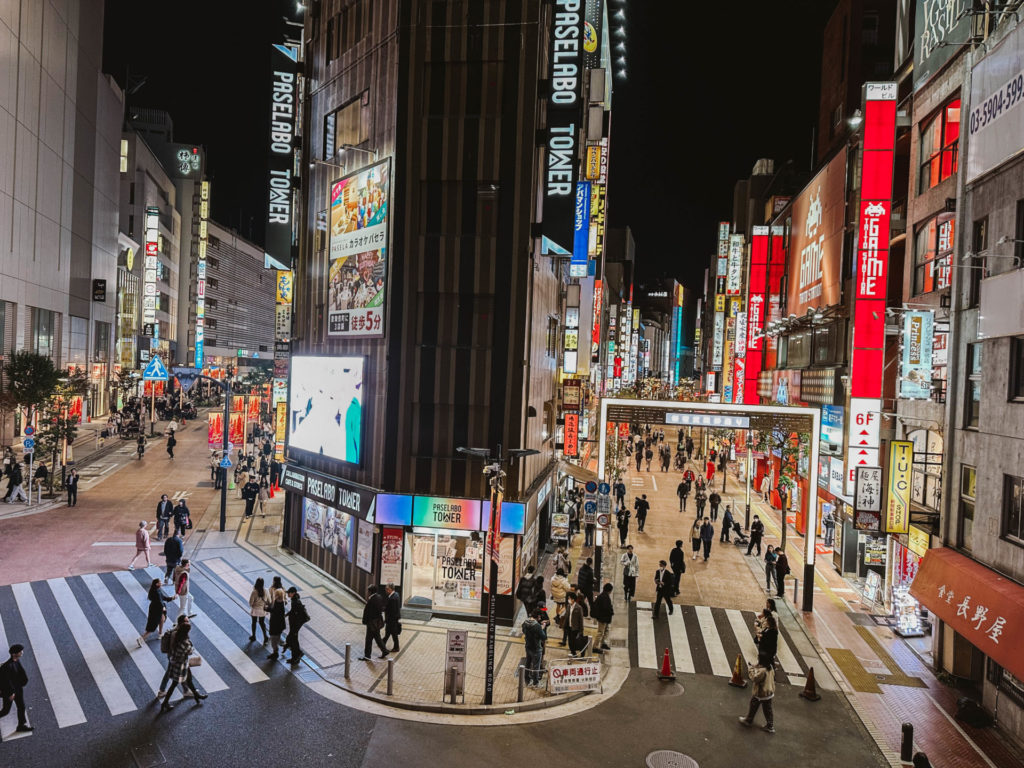
Expect a Language Barrier (and Why It’s Totally Manageable)
Google translate will be very helpful for your trip, especially the feature where you can take a photo and have it translate the text. This was very helpful in restaurants or to translate signs. You won’t find an English translation everywhere so make sure you have Google translate on your phone ready to go.
Vegetarian Travelers: Watch Out for Hidden Ingredients
Even dishes that look vegetarian in Japan often aren’t. Things like dashi (fish stock) and bonito flakes show up in soups, noodles, dipping sauces, and even vegetable sides. If you’re vegetarian or trying to eat more plant-based, this can be confusing at first.
I break down exactly what to look for — plus reliable options across Tokyo, Kyoto, and Osaka — in my guide to eating vegetarian in Japan. I promise this guide will help you feel more confident eating in Japan. Trust me, there are some really great resturants!
Learn a Few Basic Japanese Phrases
Speaking a little Japanese goes a long way both to help you understand the basics and to be polite while you ask someone if he/she can speak some English. We got along just fine with the use of Google translate and some Japanese we learned.
Sometimes we found locals who spoke a decent amount of English and other times they spoke little to none. Don’t worry, Japanese people are extremely friendly and polite so they will work with you through the communication barriers. Just be sure to do your part and learn some useful phrases.
My fiance and I used Pimsleur before our trip and were pretty impressed by how much we were able to retain. I plan on using it for our next trip too. The lessons are about 30 minutes and are designed for you to do a daily lesson.
You Must Carry Your Passport at All Times
You are legally required to carry your passport with you at all times in Japan. While we weren’t stopped at any time and asked to show our passport, it was better to avoid the risk and just keep it on us.
You can be fined up to 100,000 yen (about $690 US dollars) or taken in for questioning if you don’t have your passport.
If you’re like me and don’t typically travel with a purse (I have a little wallet on the back of my iPhone), be sure you bring something comfortable that you can wear all day. I brought a crossbody and even as someone who never carries a purse, I found it surprisingly comfortable and the perfect size.
Here are a few great crossbody options:
Don’t Tip in Japan
Wait staff are paid a livable wage and there is no tipping culture in Japan. In fact, our friends had a woman chase them down an entire block to return 10 yen (less than $0.01 USD) they accidentally gave them.
Instead, if you love your meal, be sure to express gratitude by saying “gochisou-sama deshita” as you are leaving the restaurant. The Japanese really take pride in what they do and when we used that phrase in Kyoto, the chef was beyond happy.
Keep Your Voice Down on Trains (and Don’t Make Calls)
Part of Japanese etiquette is to keep your voice down on public transport and in other public places such as elevators. Trust me, you will stand out if you have a loud conversation.
Also, please don’t make any phone calls. In fact, you’ll sometimes see signs that phone calls are prohibited. You can have a conversation with your travel buddy, just keep your voice down.
Can You Visit Onsens in Japan If You Have Tattoos?
Traditional onsens are a beautiful part of Japanese culture and are hot baths filled with geothermal water from hot springs. There are plenty of public baths that you can visit or you can find private ones that you either reserve or that come with your stay in a traditional Japanese inn (known as Ryokans).
It’s important to note that most public onsens do not allow you to visit if you have any tattoos.
If you have tattoos and want to visit a traditional onsen, be sure to do your research ahead of time as you can find the occasional public onsen that will allow you to enter with tattoos. Or, just find a private option!
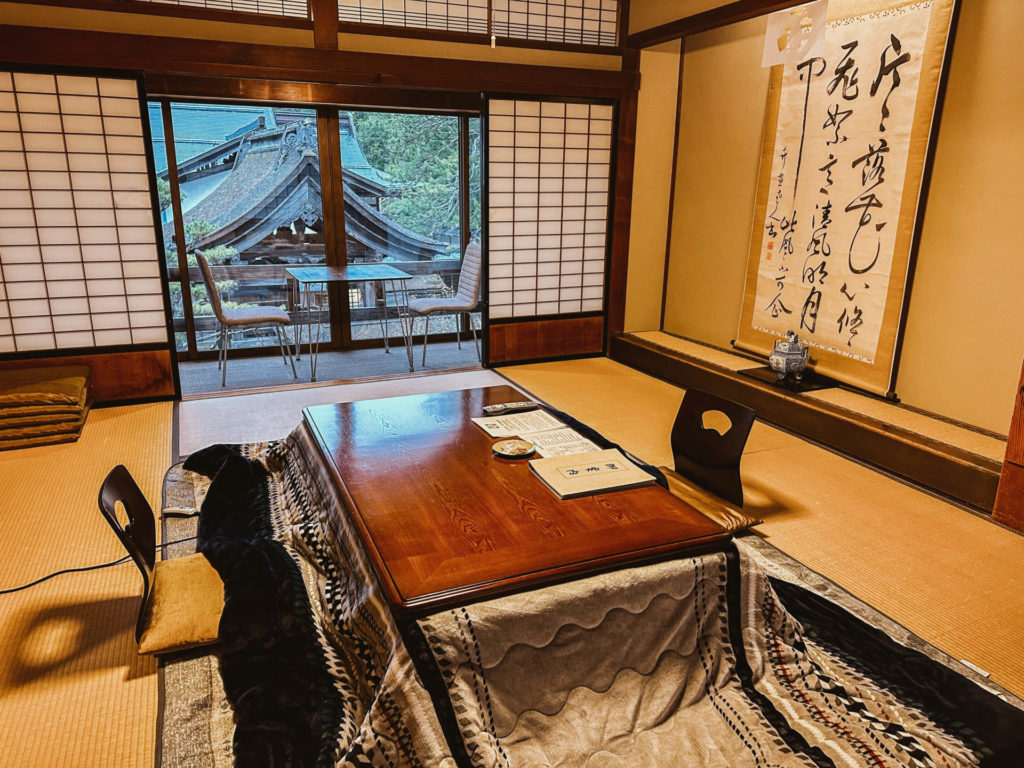
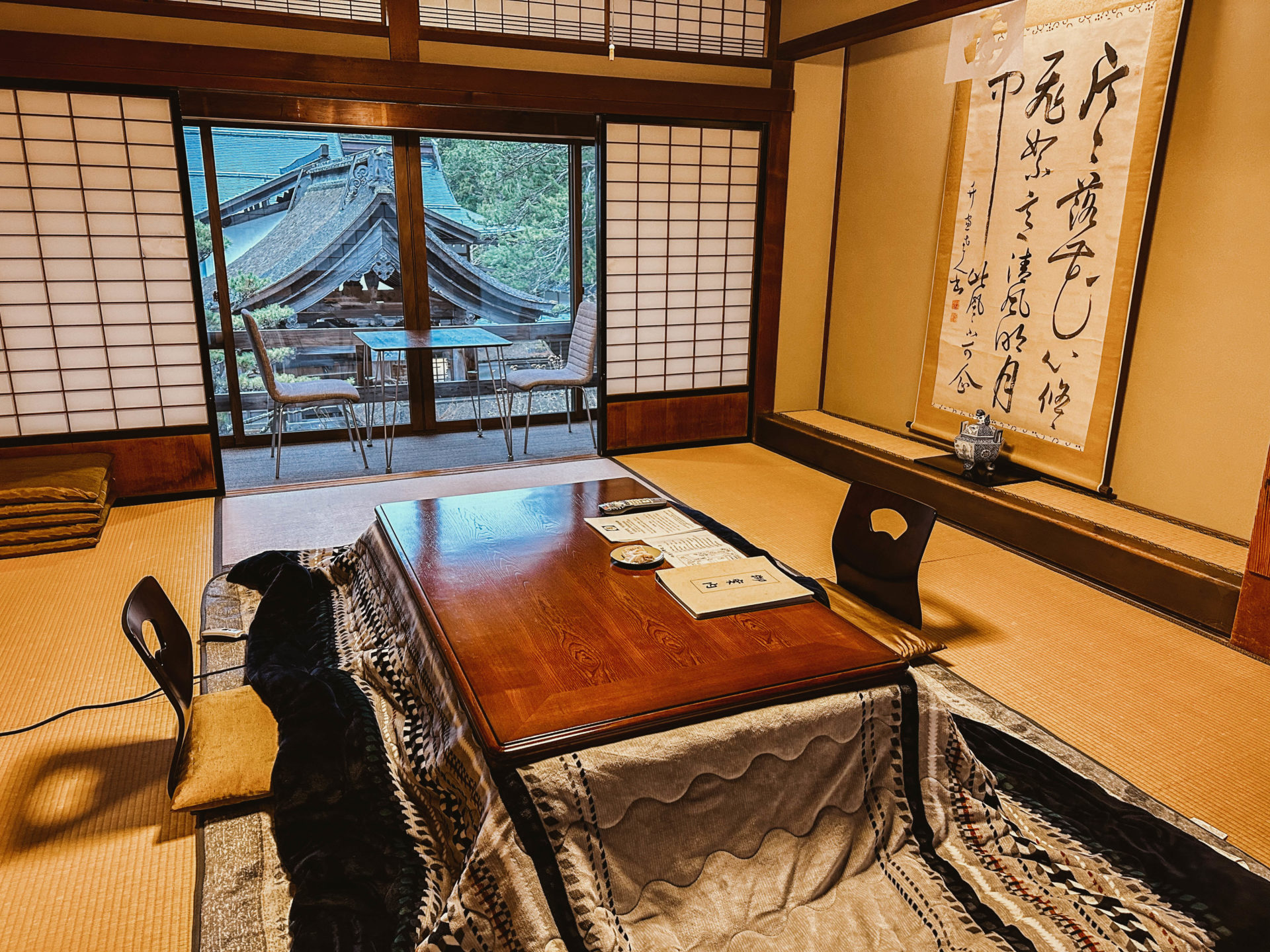
While I don’t have a photo of an onsen, the Buddhist temple we stayed at in Mount Koyasan (pictured below) did have an onsen that we loved.
What to Pack & Know Before You Go
Japan is incredibly traveler-friendly, but there are a few things that can surprise you if you’re not prepared — like just how much walking you’ll do or what’s missing in most public bathrooms. These quick tips will help you pack smarter and feel ready from day one.
You’ll Walk a Lot So Bring Comfortable Shoes
I got this advice before I went to Japan and I didn’t think much of it. I mean I always walk a lot on a trip, why would this be any different? Well, it was.
We walked between 7-10 miles every single day and that was with trying to be careful because I have a bad knee. Trust me, with walks to and from the metro station, within the station, wandering around neighborhoods, etc it really adds up and you are going to be miserable if you don’t have a really comfortable pair of shoes.
As I mentioned, I have a really bad knee and the shoes I can put a lot of mileage in are my Hokas. And if you want something cuter, I bought these booties that have built in arch support before my trip and they were pretty comfortable (I wore them almost every day of the trip).
Public Restrooms Are Everywhere (But Pack This One Thing)
If there’s one thing I hate it’s having to pay to use the bathroom. Not because I’m cheap but because I rarely have small coins to pay the bathroom attendant and also, yeah maybe I am a little cheap.
Thankfully, in Japan, you’ll have no problem finding a free public restroom in the parks, in the subway stations, near tourist attractions, etc.
While the train stations’ bathrooms do have soap, I found that most of the other public restrooms did not, so be sure to bring some hand sanitizer with you.
Feeling Ready? Here’s What to Plan Next
Japan is one of the most rewarding places you can travel and now you’re way more prepared than I was before my first visit. Whether you’re exploring Tokyo, riding the Shinkansen, or soaking in an onsen, I hope these tips help you feel confident and excited.
Next up? Dive into my 5-day Tokyo itinerary for a perfect blend of foodie finds, cultural experiences and cocktail bars.
Have a question I didn’t cover? Drop it in the comments. I’d love to help!
More Japan Travel Guides You’ll Love
- Tokyo’s Must-Visit Cafes: A Coffee Lover’s Guide
- The Best Vegan and Vegetarian Restaurants in Tokyo
- Mount Koya Temple Stay: An Unforgettable Experience
- An Epic 5-Day Tokyo Itinerary: What to See and Do
- 23 Essential Things to Know Before Traveling to Japan
- The Ultimate Vegetarian & Vegan Survival Guide to Japan
- Explore Koshu Valley: Japan’s Underrated Wine Region
- 2-Day Kyoto Itinerary: Temples, Food & Hidden Gems
Pin this post on things to know before visiting Japan for later:


This was such a great article, thank you! We are preparing for a trip to Japan and I found your trips helpful.
I’m so glad you found it helpful! Have an awesome time and don’t hesitate to let me know if you have any questions!