Mount Koya Temple Stay – An Unforgettable Experience

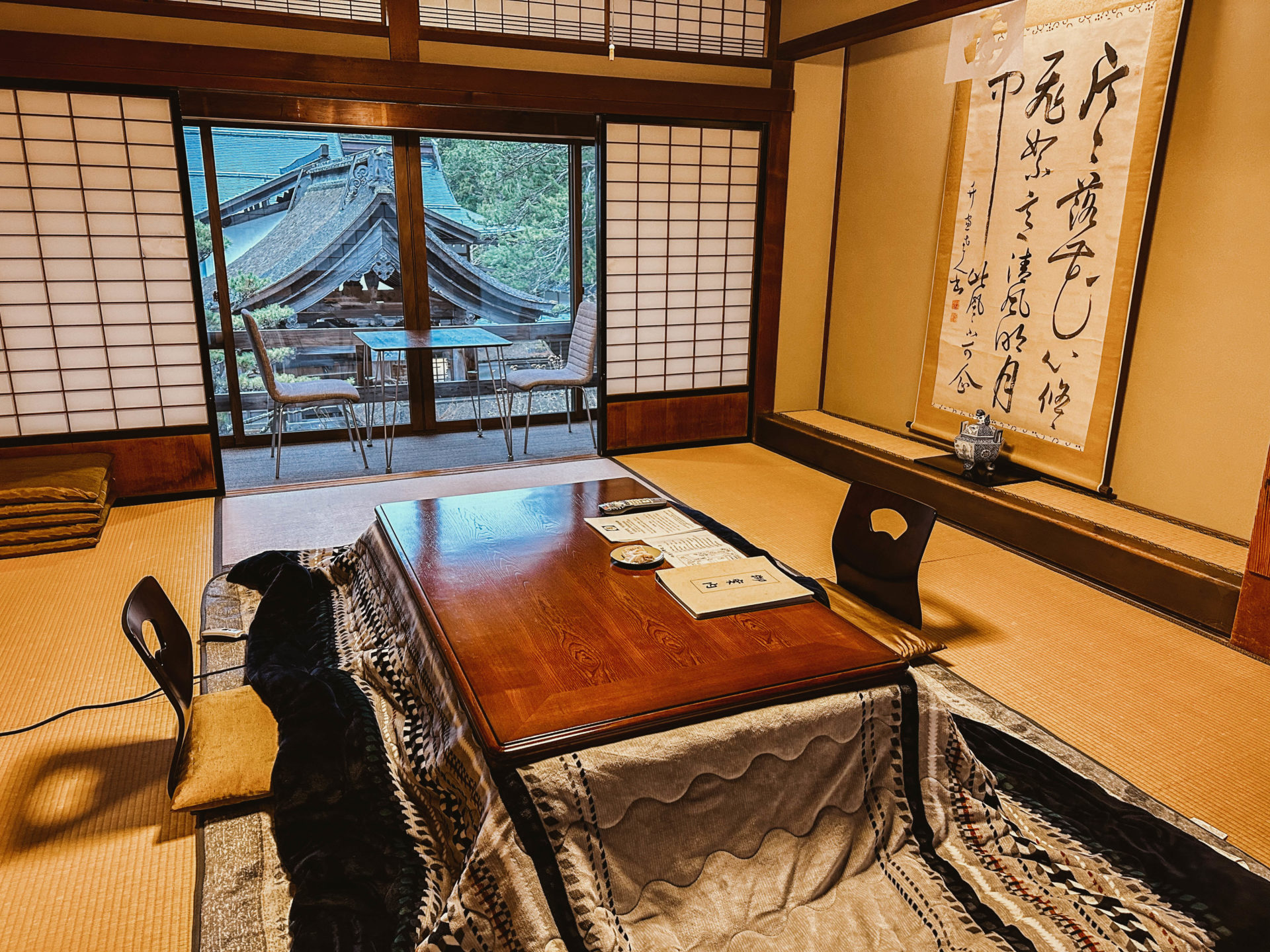
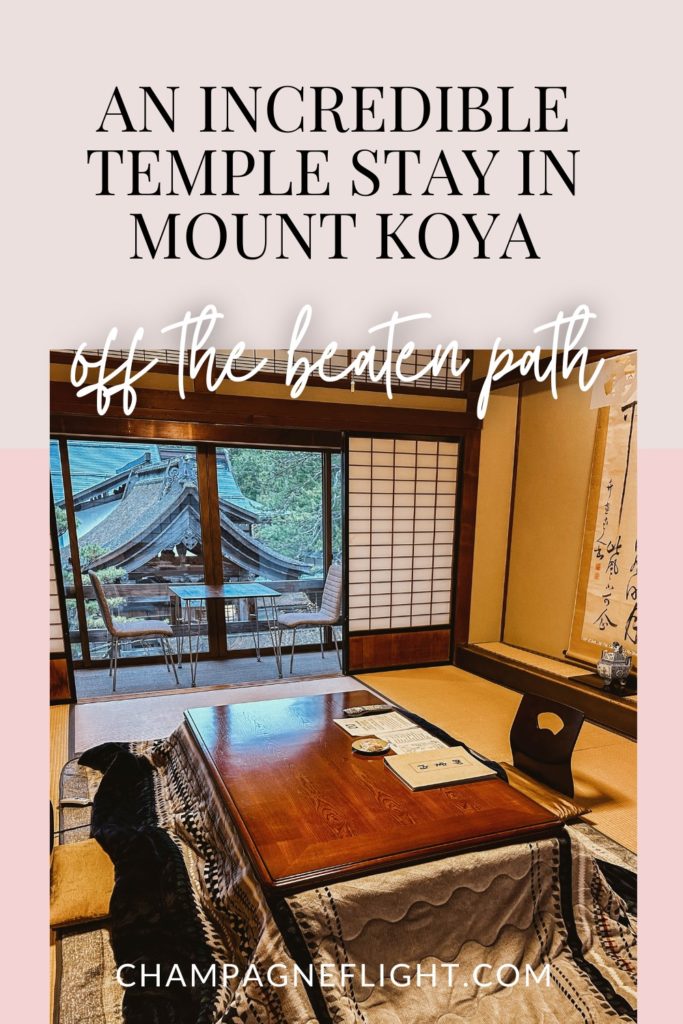
I wiggled my toes, sighing in contentment. I was seated at a low table in our room at a temple in Mount Koya, the kind that sits flush against the tatami mats with a thick blanket draped over all four sides. Minutes slipped by, but I barely noticed—a stark contrast to the rest of the trip.
I had only planned to rest for a few minutes before we went out exploring, but once I slid my legs underneath the blanket, the desire to get up and go evaporated. The mountain air seeped through the walls and floors, the cold piercing, making the thought of wandering outside less appealing with each passing moment. Thankfully the blanket was heated, and warmth enveloped my legs almost instantly, followed by an immense wave of relaxation.
A quick glance out our window confirmed that it was dreary outside—the kind of weather that feels like a permission slip to be still. After almost a week of nonstop walking around in Japan, deciding to sit down and do absolutely nothing felt like the best choice I could make.
My mind quieted. The temple seemed to hum with a calm, steady energy. A slow smile crept across my face.
My fiancé and I sat at that table for hours, simply existing until a gentle knock came at the door.
A monk stepped inside, his arms laden with trays of brightly colored dishes. A traditional Buddhist dinner had arrived.
Could it get better than this?
As we delighted in the flavors of shojin ryori, some familiar and some completely new, I realized just how unforgettable this stay would be.
If there’s one thing I recommend for your trip to Japan, it’s a Mount Koya temple stay.
Top Pick
Koyasan Shukubo Saizeni
Location: Koyasan
Want the quick version? This is the temple stay we chose and loved.
The Importance of Mt. Koya
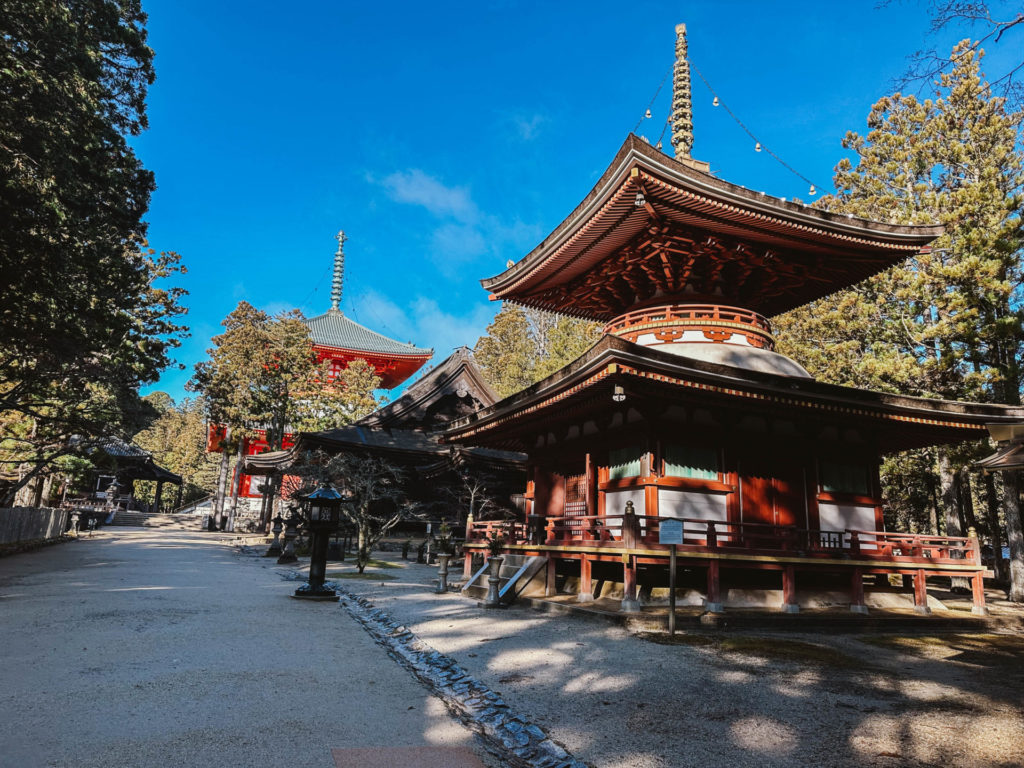
Mt. Koya, also known as Koyasan, is one of the most sacred places in Japan and the center of Shingon Buddhism, a type of Buddhism that was brought to Japan in the sixth century. This small community is located in a remote wooded area on top of a mountain and is a haven for those interested in Buddhism, history, and nature.
Most travelers headed here do a temple stay which normally includes a traditional Buddhist dinner, breakfast, and morning prayers. Some temples also offer meditation to their guests.
Reserving Your Mt. Koya Temple Stay
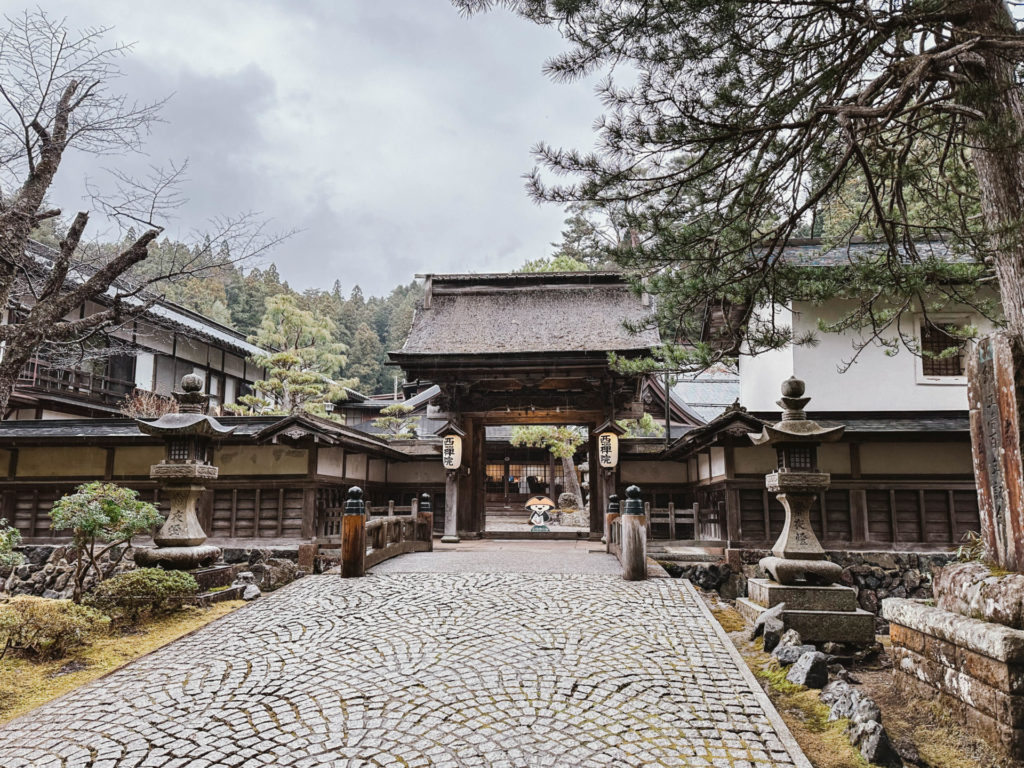
I would highly recommend that you book this part of your trip as far in advance as possible. By the time we went to book ours, the temples were almost all sold out and we didn’t have that many options left.
I do highly recommend the temple stay we did, Koyasan Shukubo Saizeni. The rooms were beautiful, the food excellent, and the morning prayer was a really special experience. The staff at our temple all spoke good English so communication wasn’t an issue.
The Room + Facilities
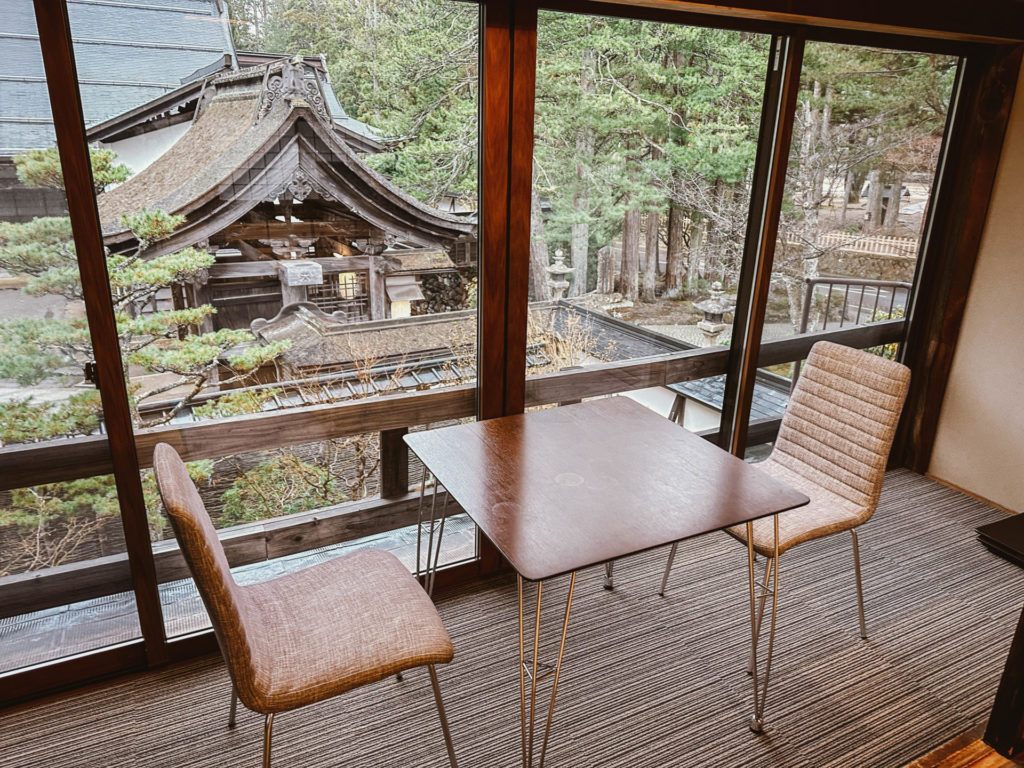
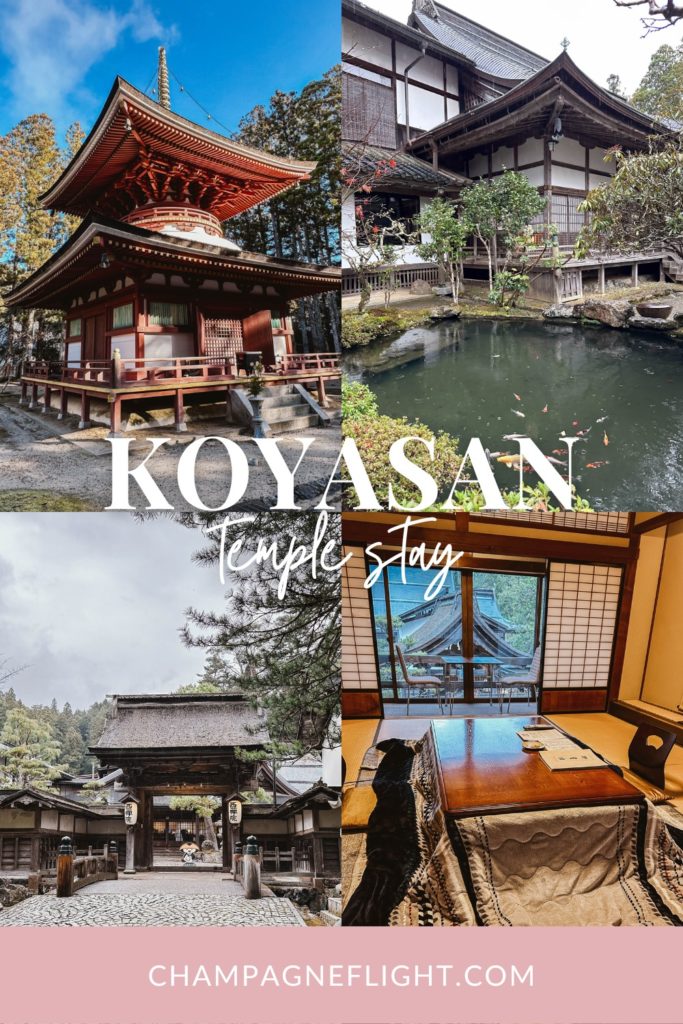
I still think about the room we stayed in and the view from our window. It’s hard to put into words just how special this place feels — not just the scenery, but the energy of the whole temple.
We ended up booking a family room even though it was just the two of us because there weren’t many rooms left. The room was spacious with a separate dining and living area and then a bedroom with two single beds. We had a peaceful night’s sleep. Even though the temple can get cold, the bedding is very warm.
Lodgings typically have guest rooms with tatami floors/tatami mats with futons spread on them. I believe the reason we had single beds was because it was a family room and if we had more people, they would have set up the futons.
Our room had its own bathroom and there were also bathroom facilities just down the hallway. It’s not uncommon for a room at one of the temples to have a shared bathroom. If having a private bathroom is important to you, be sure to book in advance as those tend to fill up.
Some of the temples, like ours, will also have an onsen which are public baths filled with natural hot water and rich in minerals.
There were two at our temple — one for women and one for men. Considering how cold the temple can get, I highly recommend a soak in the onsen. Just note that you don’t wear any clothes in the onsen and that may feel a bit out of your comfort zone. I promise you it’s worth it.
What to do Before Dinner at the Temple
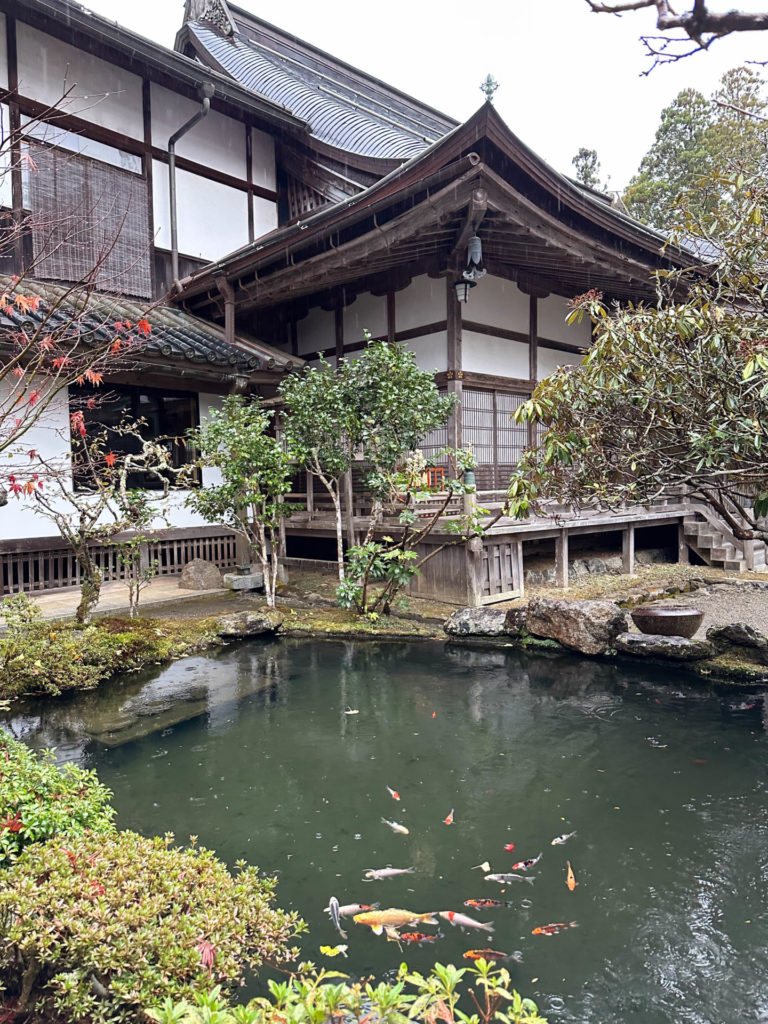
I recommend getting to your temple sometime in the late afternoon. That way you can enjoy your room and explore the temple before dinner.
Here are a few things you can do at the temple:
- Some temples will offer afternoon meditation sessions that you can join
- If your temple has an onsen, I highly recommend doing a soak before dinner. Depending on when you visit Mt. Koya it can get really cold so an onsen is the perfect way to warm up
- Walk around the temple and explore the various rooms + temple grounds
- Sit and read a book and just enjoy the serenity of the room
Of course, you can also get out and explore Mt. Koya. We personally waited until the morning to explore and just enjoyed being in our room and the temple itself on the day we checked in.
It’s completely up to you. At the end of this post I have some recommendations on where you can visit in the surrounding area.
What to Expect for Dinner
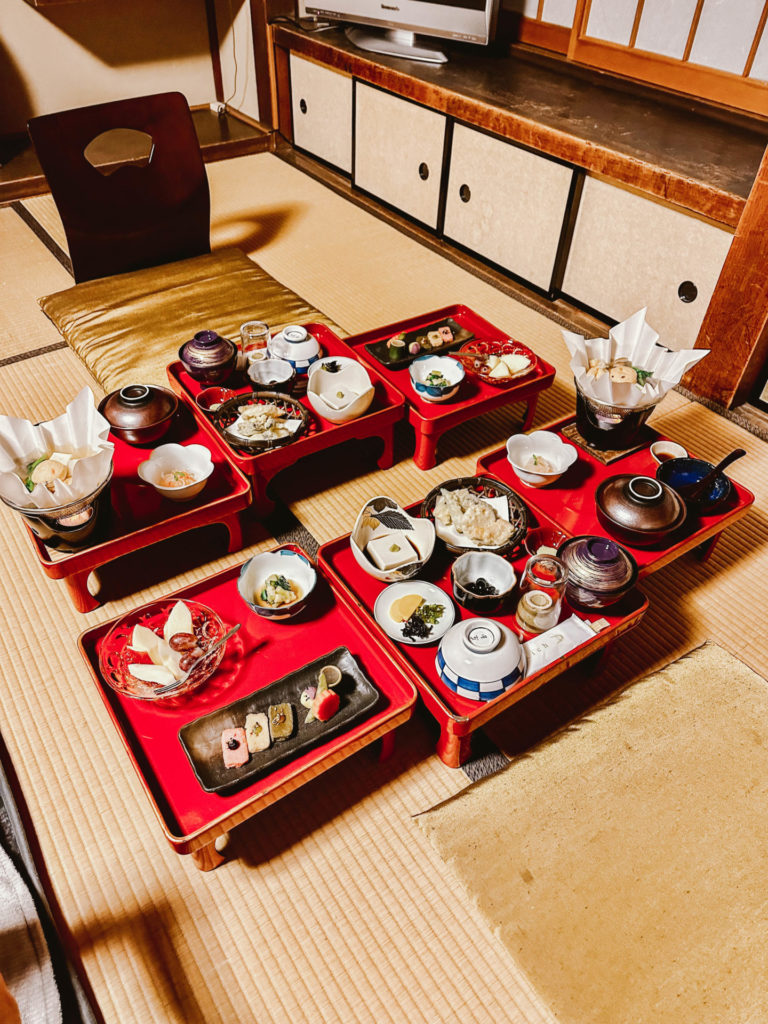
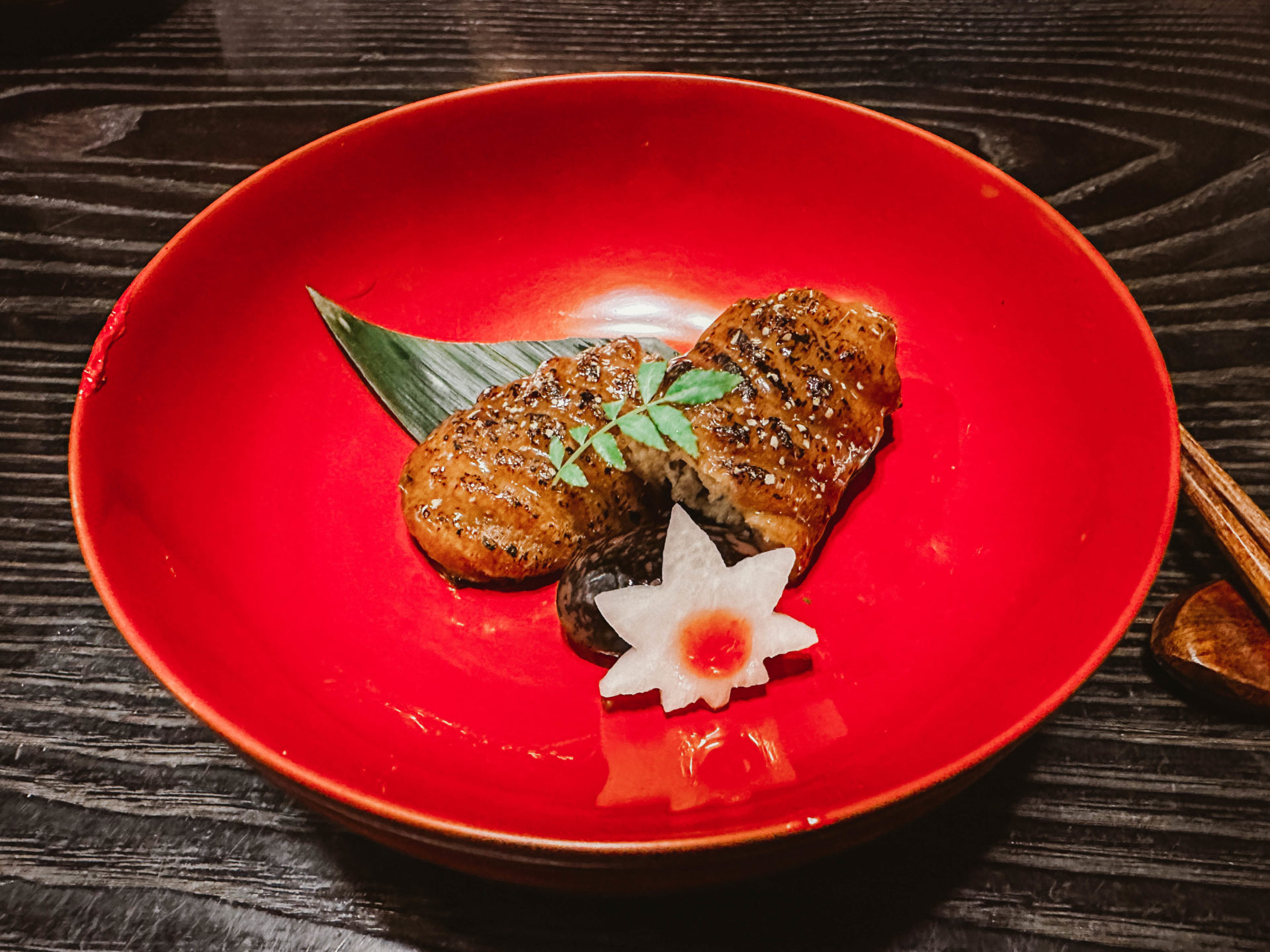
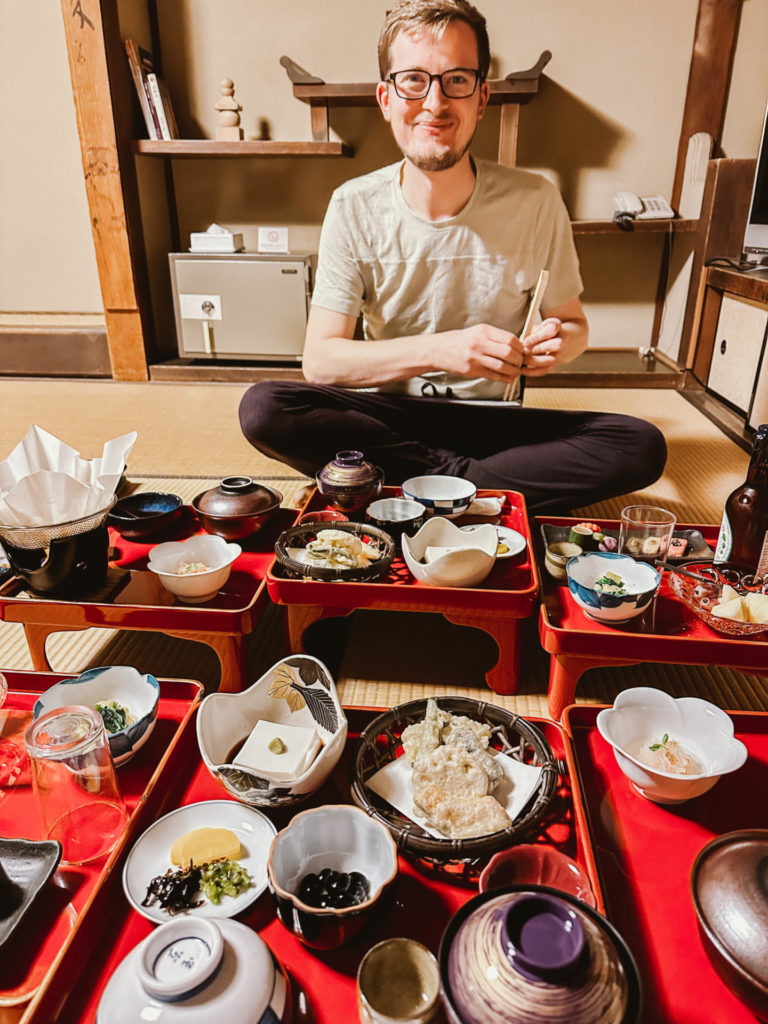
Dinner was such a treat and became the highlight of our stay. A Buddhist monk stepped inside with trays of beautifully arranged dishes, each one rich with symbolism and seasonal ingredients. I was practically doing a happy dance — food is one of my favorite ways to understand local culture, and this meal felt like such an intimate window into it.
The cuisine is called shojin ryori, the traditional vegetarian cuisine of Buddhist monks—and one of the most memorable ways to enjoy plant-based food in Japan. It follows principles of mindfulness and gratitude, and nothing is wasted. Every dish is prepared with seasonal ingredients and simple techniques meant to highlight the natural flavors of the vegetables. Even the colors and textures are intentional — a reflection of harmony and balance in Buddhist philosophy.
The meal was stunning: beautifully arranged plates, vibrant hues, and flavor combinations I’d never experienced before. It’s likely you haven’t tried anything quite like shojin ryori, which makes the experience even more special.
Expect dishes like yuba (tofu skin), crispy tempura vegetables, sesame tofu, pickled seasonal vegetables, and miso soup, all prepared with incredible care.
At check-in, they asked for our preferred dinner time, and we were able to order a local beer or sake if we wanted. Tea is also available if you prefer something non-alcoholic.
It ended up being one of my favorite vegetarian meals in all of Japan — not just because it was delicious, but because of the intention behind it.
Eating shojin ryori in the quiet of our room felt almost meditative, like participating in a tradition that has been practiced for centuries. It was a memorable experience and, honestly, such a unique and cozy date night.
If you want more shojin ryori, Bon was one of my favorite vegetarian restaurants in Tokyo.
Curfew
If you’re thinking about heading out after dinner, keep in mind that most temples have a curfew. Make sure to check the time so you know when you need to be back.
We didn’t venture out after dinner, so we never came close to missing it. I’m not totally sure what happens if you return late, but it’s probably not worth finding out — just double-check with one of the monks so you’re in the clear.
Morning Prayer
You’re going to want to head to bed at a decent hour because the next morning you will be up early to join the monks for morning service.
There’s something about waking up before dawn in a temple on top of a mountain that feels unbelievably peaceful. Your mind is calm the moment you open your eyes, and if you’re not a morning person, the cool air on your walk to the prayer hall will certainly wake you up.
It was quite special to be able to join the morning prayer and observe a traditional morning service.
Right after prayer, you’ll enjoy a traditional Buddhist breakfast in the main hall before you check out. If you want to explore the surrounding areas, simply leave your bags at the temple.
How to Get to Mount Koya
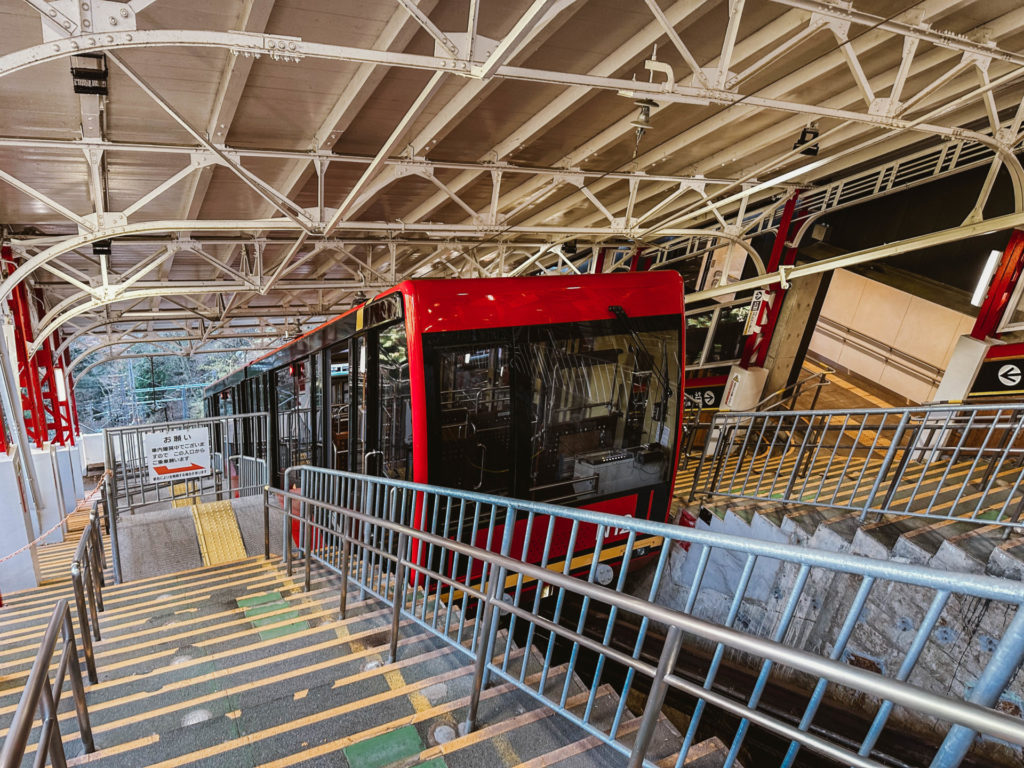
It took us two trains, a cable car, and a bus to get to our temple in Mount Koya from Tokyo. While that may sound like a lot, it was actually a really seamless journey.
Public transportation in Japan is really efficient and we were surprised at how easily we were able to get to such a remote location.
You can make the journey to Mount Koya from Osaka, Kyoto, or Tokyo. We spent two days in Kyoto and then went on to Mt. Koya.
As it really depends on where you’re traveling from, what I would recommend you do is pull up Google Maps and enter “Gokurakubashi Station” which is the end of the train line in Koyasan. Then, head to the train station it recommends you start with and go to the information desk and ask for help getting tickets to Koyasan.
You could purchase each ticket separately, but the information desk was able to bundle everything together for a cheaper price. We walked away with tickets for both trains, the cable car, and the bus—all in one go. It made the journey so much easier, so I highly recommend getting your tickets this way.
Once you’re on the train towards Koyasan, be sure you look out the windows as you’ll see some truly breathtaking views. At one point, the tracks were so high up that our views were that of the middle of the trees.
After you get to Gokurakubashi, the Koyasan Station, you’ll hop on the Koyasan cable car waiting for you and take the short ride up to Mount Koya itself.
Once you exit the station, there will be buses and taxis waiting to take you to your temple lodging. If you’re taking the bus, just confirm via Google Maps which stop you need to get off at.
Like I said, the public transportation system in Japan is spectacular. In case you get a bit lost, just ask someone at the information desks in the stations. They’re usually really nice and helpful.
If you’re looking for more transportation advice, you’ll find plenty in my Japan travel tips guide.
Other things to do in Mt. Koya
Visit the Dai Garan Complex (Danjo Garan)
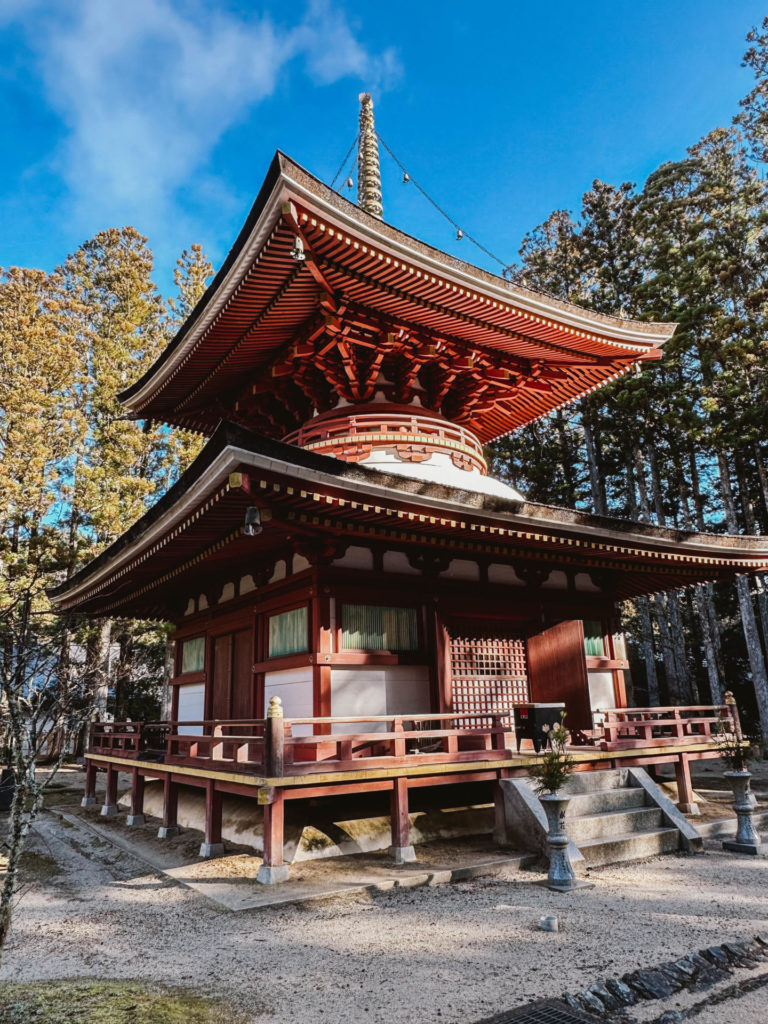
This is one of the most important areas and sacred sites in Mt. Koya and Buddhist monks convene from all over to study and train. As a tourist, you can walk around and admire the various shrines and pagodas.
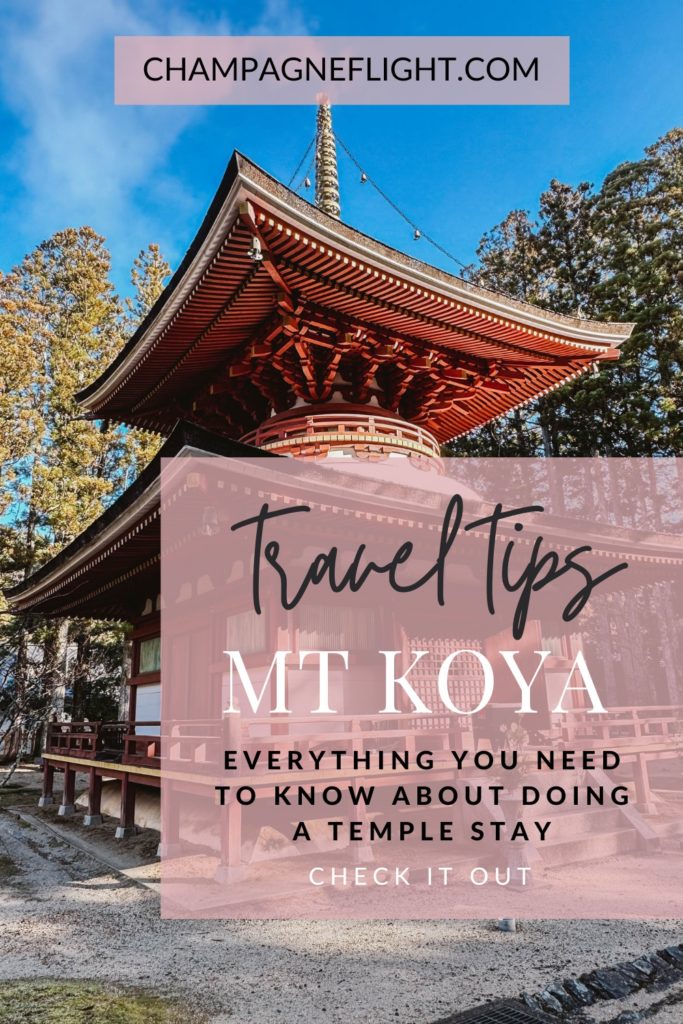
One of the most iconic structures is the Konpon Daito (Great Pagoda). It’s 160 ft high and is definitely an impressive site. It’s unfortunately been destroyed by fire 5 different times and the most recent rebuild was completed in 1934.
Walk around the Kongobu-ji temple
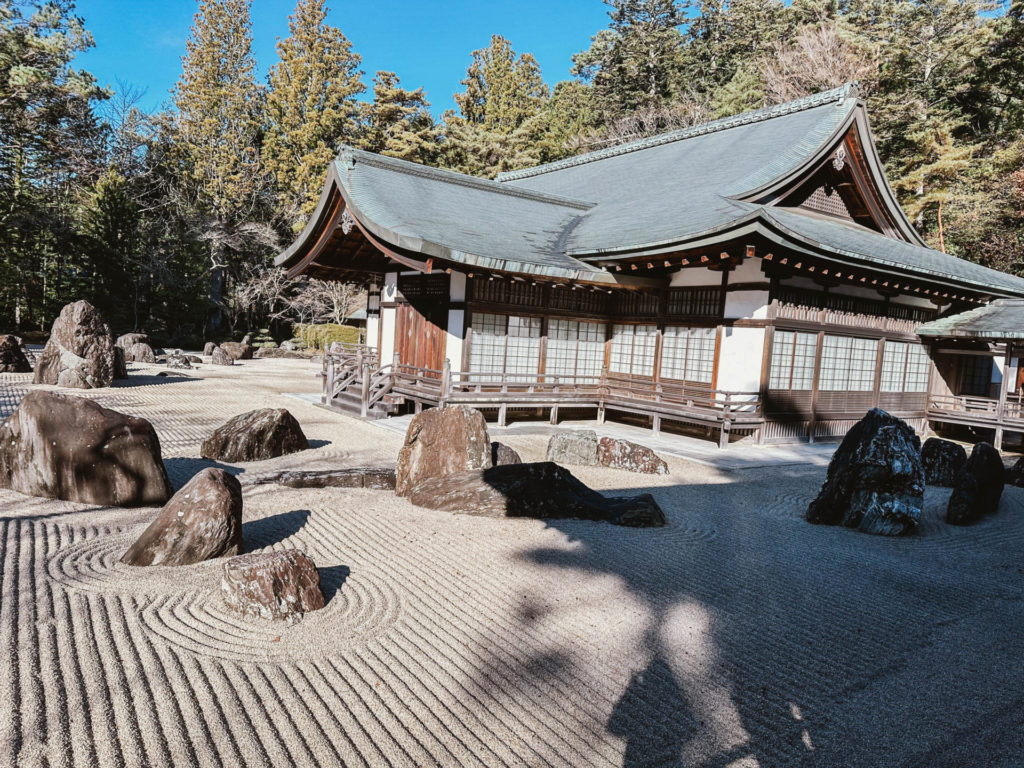
This is an extremely impressive temple and is well worth the visit. It’s also the head temple of Shingon Buddhism. You’ll see some beautiful artwork and behind the building is the largest rock garden in all of Japan.
Do I recommend a temple stay in Mt. Koya?
Absolutely — a temple stay in Mt. Koya is something I would recommend to anyone visiting Japan. It was one of the highlights of our entire trip and easily one of the most memorable experiences I’ve ever had while traveling. It’s a beautiful way to slow down, immerse yourself in traditional Buddhist culture, enjoy incredible vegetarian cuisine, and experience the warm hospitality of the resident monks.
More Japan Travel Guides You’ll Love
- Tokyo’s Must-Visit Cafes: A Coffee Lover’s Guide
- The Best Vegan and Vegetarian Restaurants in Tokyo
- Mount Koya Temple Stay: An Unforgettable Experience
- An Epic 5-Day Tokyo Itinerary: What to See and Do
- 23 Essential Things to Know Before Traveling to Japan
- The Ultimate Vegetarian & Vegan Survival Guide to Japan
- Explore Koshu Valley: Japan’s Underrated Wine Region
- 2-Day Kyoto Itinerary: Temples, Food & Hidden Gems
Pin this Mount Koya Temple Stay review for later